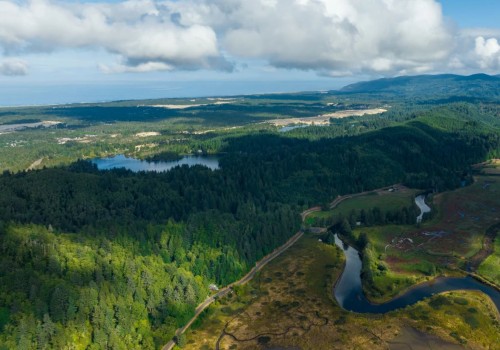
In the heart of Central Oregon, a region renowned for its breathtaking landscapes and diverse ecosystems, the concept of nature preservation takes on a profound significance. The unique environment here, characterized by high desert plateaus, lush forests, and pristine rivers, is not just a backdrop for outdoor activities; it is a vital component of our community's health and well-being. Understanding the importance of preserving these natural resources is crucial, as they provide essential benefits such as clean air, water, and habitat for countless species. However, Central Oregon faces numerous environmental challenges, including climate change, urban development, and invasive species that threaten the delicate balance of its ecosystems. These issues underscore the urgent need for education and awareness about nature preservation.
By fostering a deeper understanding of how our actions impact the environment, we can inspire individuals and communities to take meaningful steps toward conservation. This not only helps protect local wildlife but also enhances the quality of life for residents and visitors alike. Moreover, raising awareness about the benefits of nature preservation can lead to increased community engagement in conservation efforts. When people recognize that preserving our natural surroundings contributes to their physical and mental health, as well as economic stability through tourism and recreation, they are more likely to advocate for sustainable practices. In this way, education becomes a powerful tool in promoting a culture of stewardship that honors the rich natural heritage of Central Oregon.
Community Engagement Initiatives
Community engagement is vital for fostering a culture of nature preservation in Central Oregon.Local organizations play a crucial role in this effort, providing resources and opportunities for residents to get involved. One prominent organization is the Deschutes Land Trust , which focuses on protecting and restoring natural landscapes in the region. They offer various volunteer opportunities, such as tree planting, invasive species removal, and habitat restoration projects. Engaging with such initiatives not only helps the environment but also strengthens community bonds. Another key player is Oregon State University Extension Service , which conducts educational programs aimed at raising awareness about local ecosystems. Their workshops often cover topics like sustainable gardening and wildlife conservation, empowering residents with knowledge to make informed decisions about their environmental impact. Additionally, community events like Earth Day celebrations and local clean-up days provide platforms for residents to come together and take action.
These events often include educational components, where participants can learn about the importance of preserving Central Oregon's unique landscapes. To further enhance community involvement, local schools can integrate environmental education into their curricula. Programs that encourage students to participate in outdoor activities or conservation projects can instill a sense of responsibility towards nature from a young age. In summary, by participating in local organizations and initiatives, residents of Central Oregon can significantly contribute to nature preservation. Whether through volunteering, attending educational workshops, or engaging in community events, every effort counts towards creating a sustainable future for the region.
Educational Programs and Workshops
Educational programs and workshops play a crucial role in fostering a deeper understanding of nature preservation in Central Oregon. By engaging community members, especially students, these initiatives can cultivate a sense of responsibility towards local ecosystems.School Programs
- Hands-on Learning: Schools in Central Oregon have begun incorporating outdoor classrooms where students can learn about native plants, wildlife, and the importance of biodiversity.
Programs like the Oregon Natural Resources Education Program provide resources for teachers to create interactive lessons that connect students with their environment.
- Field Trips: Organizing field trips to local parks and nature reserves allows students to experience the beauty of Central Oregon firsthand. These excursions often include guided tours led by environmental experts who explain the significance of preserving these natural areas.
Community Workshops
- Local Partnerships: Community centers often collaborate with environmental organizations to host workshops focused on sustainable practices. Topics may include composting, water conservation, and habitat restoration, empowering residents to take actionable steps towards nature preservation.
- Citizen Science Projects: Workshops that involve citizen science encourage community members to participate in data collection for local wildlife studies. This hands-on approach not only educates participants but also contributes valuable information to conservation efforts.
Awareness Campaigns
In addition to formal programs, awareness campaigns utilizing social media and local events can amplify the message of nature preservation in Central Oregon.
Engaging storytelling through platforms like Instagram or Facebook can highlight success stories from educational initiatives, inspiring others to get involved.By investing in educational programs and workshops, Central Oregon can foster a community that values and actively participates in the preservation of its unique natural heritage.
Utilizing Social Media and Digital Campaigns
In today's digital age, social media and digital campaigns serve as powerful tools for raising awareness about nature preservation in Central Oregon. By harnessing these platforms, organizations and individuals can effectively engage the community and promote environmental stewardship.Creating Engaging Content
- Visual Storytelling: Use captivating images and videos that showcase the natural beauty of Central Oregon. Highlight local landscapes, wildlife, and conservation efforts to evoke emotional responses.
- Infographics: Develop informative infographics that present statistics and facts about local ecosystems, endangered species, and the impact of human activities on nature. These can be easily shared across platforms.
- User-Generated Content: Encourage followers to share their own experiences in nature.
Create hashtags that promote sharing photos or stories related to outdoor activities and conservation efforts.
Engagement Strategies
- Interactive Campaigns: Launch challenges or contests that motivate people to participate in local clean-up events or tree-planting initiatives. Offer incentives such as prizes or recognition for participants.
- Live Events: Host virtual events such as webinars or Q&A sessions with local environmental experts. This not only educates the audience but also fosters a sense of community around the cause.
- Collaborations: Partner with local influencers or organizations that share a commitment to nature preservation. Their reach can amplify your message and attract a wider audience.
Utilizing Targeted Advertising
Consider using targeted ads on platforms like Facebook and Instagram to reach specific demographics interested in environmental issues.
Tailor your messaging to resonate with the values of Central Oregon residents, emphasizing the importance of preserving their unique natural surroundings.By effectively utilizing social media and digital campaigns, we can foster a culture of awareness and action towards nature preservation in Central Oregon. Engaging content, interactive strategies, and targeted outreach will not only educate but also inspire individuals to take part in protecting their environment.
Collaborations with Local Businesses and Influencers
Collaborating with local businesses and influencers is a powerful strategy to enhance awareness about nature preservation in Central Oregon. These partnerships can create a ripple effect, engaging the community and fostering a culture of environmental responsibility.Business Partnerships for Environmental Impact
- Co-hosting Events: Local businesses can organize events such as clean-up days, tree planting, or educational workshops. By involving their customers, they not only promote nature preservation but also strengthen community ties.
- Promotional Campaigns: Businesses can run campaigns that highlight their commitment to sustainability.
For instance, a local café could offer discounts to customers who bring reusable containers, thereby encouraging eco-friendly practices.
- Product Collaborations: Companies can create products that support environmental causes. For example, a local brewery might produce a special beer where a portion of the proceeds goes to conservation efforts in Central Oregon.
Engaging Influencers for Broader Reach
- Social Media Campaigns: Influencers with a passion for the environment can leverage their platforms to share messages about nature preservation in Central Oregon. Their reach can attract a younger audience who may be more inclined to participate in conservation efforts.
- Storytelling: Influencers can tell compelling stories about local wildlife and ecosystems, making the importance of preservation relatable and urgent. This narrative approach can inspire action among their followers.
- Collaborative Content Creation: Partnering with influencers to create content—such as videos or blog posts—can effectively communicate the significance of preserving Central Oregon's natural beauty.
This content can be shared across multiple platforms, amplifying its impact.
Organizing Nature Walks and Outdoor Events
Organizing nature walks and outdoor events in Central Oregon serves as a powerful tool for fostering community engagement and raising awareness about the significance of nature preservation. These activities not only connect participants with the stunning landscapes of the region but also educate them about the local ecosystem, including its diverse flora and fauna.By participating in guided nature walks, individuals can learn about the unique plant species that thrive in Central Oregon's varied habitats. Knowledgeable guides can share insights on how these plants contribute to the local environment and the importance of protecting them from invasive species and urban development.- Educational Workshops: Incorporating workshops into nature walks can enhance the learning experience.
Topics may include native plant identification, wildlife tracking, and sustainable practices that individuals can adopt in their daily lives.
- Family-Friendly Events: Organizing family-oriented outdoor events encourages participation from all age groups. Activities like scavenger hunts or nature-themed crafts can make learning about nature preservation fun and engaging for children.
- Collaborations with Local Organizations: Partnering with environmental organizations can amplify the impact of these events. They can provide resources, expert speakers, and promotional support to reach a wider audience.
By creating opportunities for direct interaction with nature, communities can cultivate a culture of environmental stewardship that benefits both people and the planet.
FAQs about Nature Preservation in Central Oregon
Understanding the nuances of nature preservation in Central Oregon is essential for fostering a community that values and protects its natural resources. Here are some frequently asked questions that can help clarify common misconceptions and provide valuable insights.What are the main threats to nature in Central Oregon?
Central Oregon faces several environmental challenges, including:- Urban development: As cities expand, natural habitats are often destroyed or fragmented.
- Climate change: Altered weather patterns can affect local ecosystems and wildlife.
- Invasive species: Non-native plants and animals can disrupt local biodiversity.
How can individuals contribute to nature preservation?
Every individual can play a role in protecting the environment. Here are some actionable steps:- Volunteer for local conservation projects, such as tree planting or habitat restoration.
- Educate others about the importance of preserving natural spaces through workshops or community events.
- Reduce waste by recycling and using sustainable products to minimize your ecological footprint.
What are some common misconceptions about nature conservation?
Many people hold misconceptions that can hinder effective conservation efforts:- Myth: Nature preservation is only the responsibility of government agencies.
- Fact: Everyone has a role to play, from individuals to businesses.
- Myth: Conservation efforts are too costly and not worth the investment.
- Fact: Investing in nature preservation can lead to long-term economic benefits, including tourism and improved public health.
Conclusion: The Path Forward for Nature Preservation in Central Oregon
In conclusion, the journey towards effective nature preservation in Central Oregon is a collective effort that requires the commitment of individuals, communities, and organizations alike. Throughout this article, we have explored various strategies to educate and raise awareness about the critical importance of protecting our natural landscapes. One of the most impactful ways to foster a culture of conservation is through community engagement.By organizing local events such as clean-up drives, tree planting days, and educational workshops, we can inspire residents to take an active role in preserving the environment. These initiatives not only enhance community spirit but also provide hands-on experiences that deepen understanding of ecological issues. Moreover, leveraging technology and social media platforms can amplify our message. Sharing stories, photos, and videos that highlight the beauty of Central Oregon's natural resources can captivate a wider audience and encourage them to participate in preservation efforts. Online campaigns can also facilitate discussions around sustainable practices and environmental stewardship. Education plays a pivotal role in shaping future generations' attitudes towards nature.
Integrating environmental education into school curriculums can instill a sense of responsibility in young minds. Field trips to local parks and nature reserves can provide students with firsthand experiences that foster a lifelong appreciation for the outdoors. Finally, collaboration with local businesses and government agencies can enhance our preservation efforts. By forming partnerships, we can create programs that promote sustainable tourism and responsible land use, ensuring that Central Oregon remains a vibrant ecosystem for years to come. As we move forward, it is essential to remember that every small action counts. Whether it’s reducing waste, supporting local conservation groups, or simply enjoying nature responsibly, each effort contributes to the larger goal of nature preservation in Central Oregon.
Together, we can safeguard this precious region for future generations to cherish and enjoy.