Climate change refers to significant and lasting changes in the global climate, primarily driven by human activities such as burning fossil fuels, deforestation, and industrial processes. These actions increase the concentration of greenhouse gases in the atmosphere, leading to a rise in global temperatures and altering weather patterns. The implications of climate change are profound and far-reaching, affecting ecosystems, wildlife, and human communities alike. In regions like Central Oregon, where natural landscapes are both diverse and delicate, the effects of climate change pose unique challenges to Climate change refers to significant and lasting changes in the global climate, primarily driven by human activities such as burning fossil fuels, deforestation, and industrial processes. These actions increase the concentration of greenhouse gases in the atmosphere, leading to a rise in global temperatures and altering weather patterns. The implications of climate change are profound and far-reaching, affecting ecosystems, wildlife, and human communities alike. In regions like Central Oregon, where natural landscapes are both diverse and delicate, the effects of climate change pose unique challenges to nature preservation efforts.As temperatures rise and precipitation patterns shift, Central Oregon's ecosystems face increased stress.
Species that have thrived in this region for centuries may struggle to adapt to rapidly changing conditions. For instance, native plants and animals may find their habitats shrinking or becoming inhospitable due to prolonged droughts or increased wildfire frequency. This not only threatens biodiversity but also complicates nature preservation in Central Oregon, as conservationists must navigate the dual challenges of protecting existing species while also addressing the impacts of climate change. Moreover, the implications extend beyond individual species; entire ecosystems can be disrupted. Wetlands may dry up, forests may become more susceptible to pests and diseases, and rivers may experience altered flow patterns.
These changes can lead to a cascade of effects that undermine conservation efforts aimed at maintaining the ecological balance. Understanding these dynamics is crucial for developing effective strategies that not only address current challenges but also anticipate future shifts in the landscape of Central Oregon.
Nature Preservation in Central Oregon: An Overview
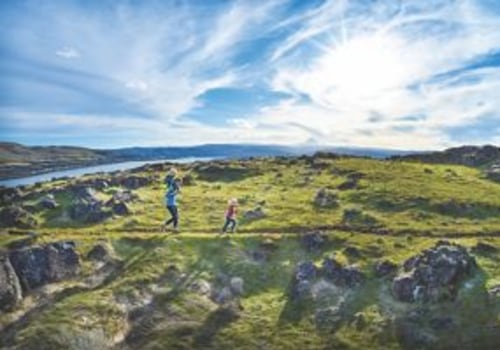
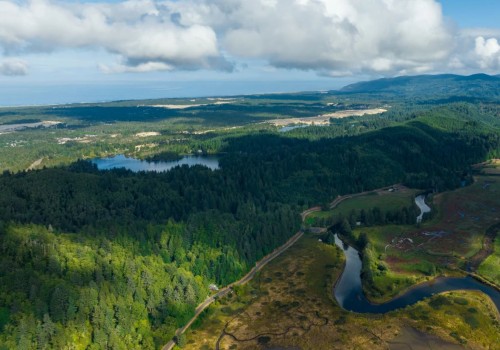
Central Oregon is renowned for its stunning landscapes, diverse wildlife, and rich ecosystems, making nature preservation in Central Oregon a critical focus for local communities and conservationists alike. The region's unique geography, which includes high desert, mountains, and rivers, supports a variety of habitats that are home to numerous species. However, these ecosystems face significant threats from climate change, urban development, and invasive species.Efforts to conserve these natural resources are multifaceted and involve various stakeholders, including government agencies, non-profit organizations, and local residents.Key initiatives include:
- Restoration Projects: Many organizations are actively restoring degraded habitats to improve biodiversity. This includes replanting native vegetation and removing invasive species that threaten local flora and fauna.
- Wildlife Corridors: Establishing wildlife corridors is essential for allowing animals to migrate safely between habitats. These corridors help maintain genetic diversity and support the resilience of local populations.
- Community Engagement: Local communities play a vital role in conservation efforts. Educational programs and volunteer opportunities encourage residents to participate in preserving their natural surroundings.
Healthy ecosystems provide essential services such as clean water, air purification, and carbon sequestration. They also offer recreational opportunities that enhance the quality of life for residents and attract tourists to the area.In summary, nature preservation in Central Oregon is not just about protecting beautiful landscapes; it is about ensuring the survival of local ecosystems that are vital for both wildlife and human communities. As climate change continues to impact these areas, ongoing conservation efforts will be crucial in safeguarding the region's natural heritage for future generations.
Direct Effects of Climate Change on Local Ecosystems
Climate change is having profound direct effects on local ecosystems in Central Oregon, leading to significant challenges for nature preservation efforts. As temperatures rise and precipitation patterns shift, the delicate balance of these ecosystems is disrupted, resulting in biodiversity loss and alterations to habitats.One of the most noticeable impacts is the change in species distribution.Many native plants and animals are struggling to adapt to the new climate conditions. For instance, species that thrive in cooler temperatures may find their habitats shrinking as warmer conditions prevail. This can lead to a decline in populations of sensitive species, which are often key indicators of ecosystem health.
Biodiversity loss
is not just a local issue; it has far-reaching implications for ecosystem services that humans rely on, such as clean water, pollination, and carbon sequestration. The loss of diverse species can weaken ecosystem resilience, making it harder for these systems to recover from disturbances like wildfires or invasive species.Moreover, habitat changes are becoming increasingly evident.
Wetlands, forests, and grasslands are experiencing shifts in their ecological dynamics. For example:
- Wetlands: Increased evaporation rates and altered rainfall patterns can lead to reduced water levels, affecting the flora and fauna that depend on these habitats.
- Forests: Warmer temperatures can increase the frequency and intensity of wildfires, which not only destroy habitats but also release stored carbon back into the atmosphere.
- Grasslands: Changes in precipitation can lead to shifts in plant communities, favoring invasive species that outcompete native plants.
Challenges Faced by Nature Preservation Efforts
The impact of climate change on nature preservation in Central Oregon presents a myriad of challenges that conservationists must navigate.As temperatures rise and precipitation patterns shift, the delicate ecosystems that define this region are increasingly at risk.One of the primary challenges is the alteration of habitats. Species that rely on specific climatic conditions may find their environments unsuitable for survival. For instance, native plant species may struggle to thrive as invasive species take hold, further complicating conservation efforts. This shift not only threatens biodiversity but also disrupts the intricate relationships between flora and fauna.Additionally, wildfire frequency and intensity have escalated due to climate change, posing a significant threat to natural habitats.
The forests of Central Oregon, which serve as critical carbon sinks and wildlife corridors, are increasingly vulnerable to devastating fires. These events not only destroy existing ecosystems but also hinder restoration efforts, making it difficult for conservationists to reclaim lost habitats.
Water scarcity
is another pressing issue. As snowpack levels decline and drought conditions become more prevalent, water availability for both wildlife and plant life diminishes. This scarcity can lead to competition among species for limited resources, further endangering already vulnerable populations.Moreover, the economic pressures associated with climate change cannot be overlooked.
Funding for conservation projects may dwindle as communities face the immediate impacts of climate-related disasters. This financial strain can limit the ability of organizations to implement effective preservation strategies.In summary, the challenges faced by nature preservation efforts in Central Oregon due to climate change are multifaceted. From habitat alteration and increased wildfire risks to water scarcity and economic constraints, conservationists must develop innovative strategies to adapt and protect the region's unique natural heritage.
Adaptation Strategies for Nature Preservation in Central Oregon
As climate change continues to pose significant challenges to nature preservation in Central Oregon, implementing effective adaptation strategies is crucial for maintaining the region's unique ecosystems. These strategies not only aim to mitigate the impacts of climate change but also enhance the resilience of natural habitats.One of the primary adaptation strategies involves restoration ecology.This approach focuses on rehabilitating degraded ecosystems by reintroducing native species and removing invasive plants that threaten local biodiversity. By restoring these habitats, we can improve their ability to withstand climate-related stresses such as drought and wildfires.Another important strategy is the establishment of climate-resilient corridors. These corridors facilitate wildlife movement between fragmented habitats, allowing species to migrate in response to changing climatic conditions. By ensuring connectivity, we can help maintain genetic diversity and support the survival of various species.
- Water management: Implementing sustainable water management practices is essential for preserving aquatic ecosystems.
This includes creating buffer zones around water bodies and promoting efficient irrigation techniques in agricultural areas.
- Community engagement: Involving local communities in conservation efforts fosters a sense of stewardship and encourages sustainable practices. Educational programs can raise awareness about the importance of preserving natural resources.
- Monitoring and research: Continuous monitoring of ecosystems allows for adaptive management strategies. Research initiatives can provide valuable data on how climate change affects local flora and fauna, guiding future conservation efforts.
Community Involvement and Education in Conservation Efforts
In Central Oregon, community involvement and education play pivotal roles in enhancing nature preservation efforts, especially in the face of climate change.Local residents are increasingly recognizing the importance of their participation in conservation initiatives, which not only helps protect the environment but also fosters a sense of stewardship among community members.
Public awareness
campaigns are essential for educating citizens about the impacts of climate change on local ecosystems. Organizations such as the Deschutes Land Trust and the Oregon Natural Desert Association actively engage with the community through workshops, volunteer opportunities, and educational programs. These initiatives aim to inform residents about the unique biodiversity of Central Oregon and the threats posed by climate change.- Workshops and Seminars: Regularly scheduled events provide valuable information on sustainable practices, habitat restoration, and the importance of native species.
- Volunteer Programs: Community members can participate in hands-on conservation projects, such as tree planting and invasive species removal, which not only benefit the environment but also strengthen community bonds.
- School Programs: Educational institutions are incorporating environmental science into their curricula, encouraging students to engage with local conservation efforts from a young age.
Furthermore, increased public engagement can lead to greater funding and resources for conservation projects, creating a positive feedback loop that enhances both community resilience and environmental health.Ultimately, fostering a culture of conservation through community involvement and education is crucial for mitigating the effects of climate change. By empowering residents with knowledge and opportunities to contribute, Central Oregon can build a more sustainable future that prioritizes both nature preservation and community well-being.
Future Outlook: The Path Forward for Nature Preservation in Central Oregon
As we look to the future of nature preservation in Central Oregon, it is essential to adopt a proactive approach that incorporates long-term strategies and comprehensive climate action plans. The unique ecosystems of this region, characterized by diverse flora and fauna, face increasing threats from climate change, making it imperative to develop resilient frameworks for conservation.Long-Term Strategies for Nature Preservation
- Habitat Restoration: Initiatives aimed at restoring degraded habitats will be crucial. This includes reforestation projects and the rehabilitation of wetlands, which serve as vital ecosystems for numerous species.
- Community Engagement: Involving local communities in conservation efforts fosters a sense of stewardship.
Educational programs can empower residents to participate actively in preserving their natural surroundings.
- Wildlife Corridors: Establishing wildlife corridors can help mitigate the impacts of habitat fragmentation caused by urban development and climate change, allowing species to migrate and adapt more effectively.
Climate Action Plans
Implementing robust climate action plans is essential for safeguarding the future of nature preservation in Central Oregon. These plans should focus on:
- Reducing Carbon Emissions: Transitioning to renewable energy sources and promoting sustainable transportation options can significantly lower the carbon footprint of the region.
- Water Conservation: As climate change affects precipitation patterns, strategies for efficient water use and management will be vital for maintaining healthy ecosystems.
- Monitoring and Research: Ongoing research into the effects of climate change on local ecosystems will inform adaptive management practices, ensuring that preservation efforts remain effective in a changing environment.