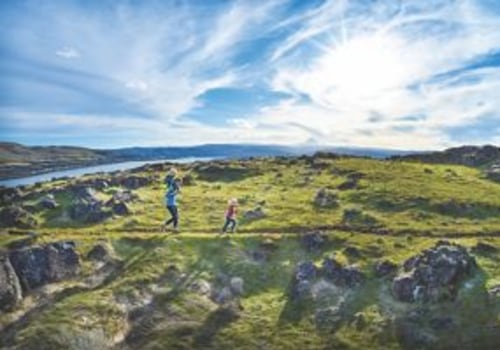
Central Oregon is a region renowned for its breathtaking landscapes, diverse ecosystems, and rich natural resources. As the demand for timber and other forest products continues to rise, the logging industry plays a significant role in shaping the environmental landscape of this area. However, the intersection of nature preservation in Central Oregon and logging practices raises critical questions about sustainability and conservation efforts. Understanding this dynamic is essential for fostering a balance between economic growth and environmental stewardship. The forests of Central Oregon are not just vital for their timber; they also serve as habitats for numerous species, protect watersheds, and provide recreational opportunities for residents and visitors alike.
As such, the impact of logging on these ecosystems cannot be understated. While responsible logging practices can contribute to forest health and regeneration, unsustainable methods can lead to habitat destruction, soil erosion, and a decline in biodiversity. This delicate balance highlights the importance of implementing effective environmental conservation strategies that prioritize both economic interests and ecological integrity. In this article, we will explore how the logging industry affects nature preservation in Central Oregon, examining both the positive contributions and the potential threats posed by logging activities. By delving into this complex relationship, we aim to shed light on the ongoing efforts to protect Central Oregon's natural heritage while navigating the challenges posed by industrial demands.
Overview of the Logging Industry in Central Oregon
The logging industry in Central Oregon has a rich history that dates back to the late 19th century, when the region's vast forests became a source of timber for burgeoning towns and industries.Over the decades, this industry has evolved significantly, adapting to changes in technology, market demands, and environmental regulations.Today, the logging industry remains a vital component of Central Oregon's economy. It contributes millions of dollars annually and provides thousands of jobs, directly and indirectly supporting local communities. The primary focus of timber production in this region includes softwood species such as ponderosa pine and Douglas fir, which are highly sought after for their strength and versatility.Modern logging practices have shifted towards more sustainable methods, aiming to balance economic needs with nature preservation in Central Oregon. These practices include:
- Selective Logging: This method involves removing only certain trees while preserving the overall forest structure, allowing ecosystems to thrive.
- Reforestation: After logging operations, companies are often required to replant trees to ensure that forest cover is maintained for future generations.
- Buffer Zones: Establishing buffer zones around sensitive areas helps protect wildlife habitats and water quality.
Critics argue that even sustainable practices can lead to habitat fragmentation and loss of biodiversity. As such, it is crucial for stakeholders—including loggers, environmentalists, and policymakers—to engage in dialogue about best practices that support both economic growth and nature preservation.In summary, while the logging industry is a cornerstone of Central Oregon's economy through its timber production and job creation, it must continually adapt to ensure that it does not compromise the natural beauty and ecological integrity of the region.
Environmental Impacts of Logging Practices
The logging industry plays a significant role in shaping the landscape of Central Oregon, but its practices often come with serious environmental impacts. One of the most pressing issues is deforestation, which not only alters the physical environment but also disrupts the delicate balance of local ecosystems.When large areas of forest are cleared for timber production, the immediate effect is a loss of trees that serve as vital carbon sinks. This contributes to increased levels of carbon dioxide in the atmosphere, exacerbating climate change.Furthermore, deforestation leads to soil erosion, as tree roots that once held the soil in place are removed. This erosion can result in sedimentation in nearby rivers and streams, negatively affecting water quality and aquatic habitats.Another critical concern is habitat destruction. Many species that inhabit Central Oregon rely on forested areas for food, shelter, and breeding grounds. The removal of trees and underbrush not only displaces these animals but can also lead to a decline in biodiversity.
As habitats are fragmented, wildlife populations may become isolated, making it difficult for them to find mates and leading to genetic bottlenecks.Moreover, logging practices can introduce invasive species into the ecosystem. These non-native plants and animals can outcompete local species for resources, further threatening biodiversity. The cumulative effect of these practices can be devastating, leading to a decline in native flora and fauna that are essential for maintaining ecological balance.In summary, while the logging industry is crucial for economic development in Central Oregon, its environmental impacts—including deforestation effects and habitat destruction—pose significant challenges to nature preservation. Sustainable logging practices must be prioritized to mitigate these negative consequences and protect the region's rich biodiversity.
Balancing Logging with Conservation Efforts
In Central Oregon, the challenge of nature preservation is intricately linked to the practices of the logging industry.To address this, many stakeholders are advocating for sustainable logging practices that not only meet economic demands but also prioritize environmental health.
Sustainable logging
involves methods that minimize ecological impact while allowing for the responsible extraction of timber. This includes selective logging, where only certain trees are harvested, and maintaining buffer zones around sensitive areas such as rivers and wildlife habitats. By implementing these practices, logging companies can help ensure that forest ecosystems remain intact and resilient.Moreover, various conservation efforts in Central Oregon are being integrated with logging operations. For instance, partnerships between logging companies and environmental organizations have led to initiatives aimed at restoring degraded forest areas.These collaborations often focus on:
- Reforestation: Planting native tree species to enhance biodiversity and restore habitats.
- Wildlife corridors: Creating pathways that allow animals to move safely between fragmented habitats.
- Community engagement: Involving local communities in conservation projects to foster a sense of stewardship over natural resources.
Case Studies: Successful Integration of Logging and Nature Preservation
In Central Oregon, several case studies exemplify the successful integration of logging practices with nature preservation.These projects not only demonstrate the feasibility of sustainable logging but also highlight best practices that can be adopted by the industry.
1.The Deschutes National Forest Collaborative
This initiative brings together stakeholders, including loggers, conservationists, and local communities, to manage forest resources sustainably. By implementing selective logging techniques and maintaining buffer zones around sensitive habitats, the collaborative has successfully reduced wildfire risks while preserving biodiversity. The project has shown that logging can coexist with nature preservation when all parties work towards common goals.2.The Sisters Forest Project
The Sisters Forest Project is another notable example where logging operations have been aligned with ecological goals. This project focuses on restoring forest health through controlled thinning and replanting native species.By prioritizing conservation alongside timber production, the project has improved wildlife habitats and enhanced water quality in local streams.
3.The Oregon Department of Forestry’s Stewardship Program
This program encourages landowners to adopt sustainable forestry practices that benefit both the economy and the environment. Through financial incentives and technical assistance, landowners are guided to implement practices such as reforestation, erosion control, and habitat enhancement. Success stories from this program illustrate how private landowners can contribute to nature preservation in Central Oregon while still engaging in profitable logging activities.These case studies serve as a testament to the potential for harmonious coexistence between logging and nature preservation. By adopting best practices and fostering collaboration among stakeholders, Central Oregon can continue to thrive as a model for sustainable forestry.Public Perception and Community Involvement
The relationship between the logging industry and nature preservation in Central Oregon is significantly shaped by public perception and community involvement.As local residents become more aware of the environmental impacts of logging, their opinions can drive changes in practices and policies. Many community members advocate for sustainable logging methods that balance economic needs with ecological health.In recent years, there has been a noticeable shift in public opinion regarding logging practices. A growing number of residents express concerns about deforestation, habitat destruction, and the long-term effects on biodiversity. This shift has led to increased support for conservation initiatives aimed at protecting Central Oregon's unique ecosystems.
Community Involvement in Conservation
Community involvement plays a crucial role in shaping conservation efforts.Local organizations and grassroots movements have emerged, focusing on conservation and sustainable land management. These groups often organize events such as tree planting, educational workshops, and public forums to raise awareness about the importance of preserving natural habitats.
- Local Activism: Activists are increasingly vocal about their opposition to unsustainable logging practices. They lobby for stricter regulations and advocate for the protection of critical habitats.
- Collaborative Efforts: Partnerships between logging companies and conservation groups are becoming more common. These collaborations aim to develop practices that minimize environmental impact while still allowing for economic growth.
- Public Engagement: Engaging the community through surveys and public meetings helps stakeholders understand local concerns and preferences regarding logging practices.
When community members unite to express their values regarding nature preservation in Central Oregon, they create a powerful voice that can lead to meaningful change. By fostering collaboration between logging companies, conservationists, and local residents, it is possible to develop a balanced approach that respects both economic interests and environmental integrity.
Future Outlook: The Logging Industry and Nature Preservation in Central Oregon
As we look to the future, the relationship between the logging industry and nature preservation in Central Oregon is poised for significant evolution. With increasing awareness of environmental issues, the logging sector is likely to face stricter regulations and a push towards sustainable practices.Future of Logging in Central Oregon
- The integration of sustainable forestry practices will become more prevalent, focusing on minimizing ecological impact while still meeting economic needs.
- Technological advancements, such as precision logging and drone monitoring, may enhance efficiency and reduce waste, aligning with conservation goals.
- Collaboration between logging companies and environmental organizations could foster innovative solutions that benefit both the economy and the ecosystem.
Trends in Nature Preservation
- There is a growing trend towards restoration forestry, which emphasizes restoring ecosystems rather than merely extracting resources.
- Community engagement in conservation efforts is becoming more common, with local stakeholders advocating for balanced approaches that consider both economic and environmental health.
- The rise of eco-tourism in Central Oregon may incentivize logging companies to adopt more sustainable practices to protect the natural beauty that attracts visitors.
Environmental Policies
- Future environmental policies are expected to prioritize biodiversity conservation, potentially leading to stricter guidelines on logging practices.
- Government incentives for sustainable practices could encourage logging companies to invest in eco-friendly technologies and methods.
- The implementation of carbon offset programs may also play a role, allowing logging companies to contribute positively to climate goals while continuing their operations.
Conclusion: Key Takeaways on Logging and Nature Preservation
In conclusion, the relationship between the logging industry and nature preservation in Central Oregon is complex and multifaceted.Throughout this discussion, several key points have emerged that highlight the necessity of finding a balance between economic interests and environmental stewardship.
- Economic Contributions: The logging industry plays a significant role in the local economy, providing jobs and supporting communities. However, this economic benefit must be weighed against the potential environmental costs.
- Environmental Impact: Logging can lead to habitat destruction, soil erosion, and disruption of local ecosystems. It is crucial to implement sustainable practices that minimize these impacts.
- Sustainable Practices: The adoption of sustainable logging practices, such as selective logging and reforestation, can help mitigate negative effects on nature. These methods not only preserve biodiversity but also ensure the longevity of forest resources.
- Community Involvement: Engaging local communities in conservation efforts fosters a sense of responsibility towards nature.
Collaborative initiatives can lead to innovative solutions that benefit both the logging industry and environmental preservation.
- Policy and Regulation: Effective policies are essential for regulating logging activities. Stricter guidelines can help protect sensitive areas while allowing for responsible resource extraction.