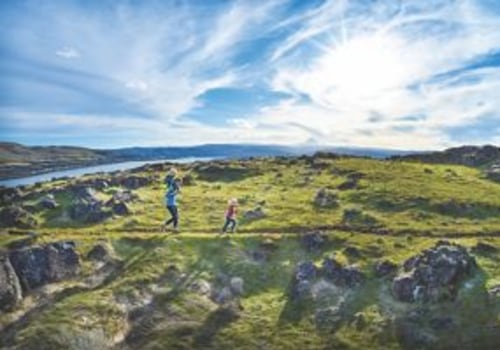
Central Oregon is a region renowned for its breathtaking landscapes, from the majestic peaks of the Cascade Mountains to the serene waters of its numerous lakes and rivers. This natural beauty not only attracts tourists but also serves as a vital resource for the local economy. As the demand for economic development continues to grow, the challenge of maintaining a balance between progress and nature preservation in Central Oregon becomes increasingly critical. The region's unique ecosystems are not just a backdrop for recreational activities; they are essential for biodiversity and the overall health of the environment. The interplay between economic growth and environmental conservation is particularly pronounced in Central Oregon, where industries such as tourism, agriculture, and technology are on the rise.
Local governments and organizations are tasked with creating policies that foster economic opportunities while ensuring that the natural resources that define this area are protected. This delicate balancing act requires innovative approaches that consider both immediate economic benefits and long-term sustainability. As we delve deeper into this topic, it is essential to recognize that successful nature preservation efforts can coexist with robust economic initiatives. By implementing sustainable practices and engaging in community-driven conservation efforts, Central Oregon can serve as a model for other regions facing similar challenges. Understanding how these dynamics play out will shed light on the future of both the economy and the environment in this beautiful part of the country.
The Importance of Nature Preservation in Central Oregon
Nature preservation in Central Oregon is not just a matter of environmental ethics; it is a crucial component of the region's identity and economic vitality.The diverse ecosystems found in this area, from the high desert to lush forests, support a wide range of species and contribute to the overall biodiversity that is essential for ecological balance.One of the primary reasons for prioritizing nature preservation is its significant impact on local tourism. Central Oregon attracts thousands of visitors each year who come to experience its stunning landscapes, including the iconic Smith Rock State Park and the serene Deschutes River. These natural attractions not only provide recreational opportunities but also generate substantial revenue for local businesses, from hotels to outdoor gear shops.Moreover, preserving natural habitats helps maintain clean air and water, which are vital for both human health and wildlife. The region's forests act as carbon sinks, absorbing CO2 and mitigating climate change effects.
This ecological service is invaluable, especially as communities face increasing environmental challenges.
- Biodiversity: A rich variety of plant and animal life ensures ecosystem resilience, allowing nature to adapt to changes and recover from disturbances.
- Tourism: Outdoor activities such as hiking, fishing, and birdwatching rely on well-preserved natural areas, making them essential for economic growth.
- Environmental Health: Healthy ecosystems contribute to cleaner air and water, benefiting both wildlife and residents.
Economic Development Initiatives in Central Oregon
Central Oregon has seen a surge in economic development initiatives aimed at fostering growth while maintaining a commitment to nature preservation. These initiatives are designed to create a sustainable economy that respects the region's unique environmental landscape.One of the key components of these initiatives is the focus on infrastructure projects. The government has invested in upgrading transportation networks, including roads and public transit systems, to facilitate easier access to both urban and rural areas.This not only supports local businesses but also encourages tourism, which is vital for the Central Oregon economy.Additionally, various business incentives have been introduced to attract new companies while ensuring they adhere to environmental regulations. For instance, tax breaks and grants are offered to businesses that implement sustainable practices or contribute to local conservation efforts. This approach not only stimulates economic growth but also aligns with the community's values regarding nature preservation in Central Oregon.
Tourism Strategies
- Eco-Tourism Development: The region promotes eco-tourism as a way to draw visitors while protecting natural resources. This includes guided tours that educate tourists about local ecosystems and conservation efforts.
- Outdoor Recreation: Investments in parks and recreational facilities enhance the appeal of Central Oregon as a destination for outdoor enthusiasts, which in turn supports local businesses.
- Cultural Events: Hosting events that celebrate local culture and nature helps raise awareness about environmental issues while boosting the economy.
Local stakeholders, including residents, business owners, and environmental groups, are often involved in planning processes. This collaborative approach ensures that development projects reflect the community's priorities and respect the natural environment.In conclusion, Central Oregon's economic development initiatives are carefully crafted to enhance the local economy while prioritizing nature preservation. By focusing on sustainable practices and community involvement, these initiatives aim to create a thriving economy that coexists harmoniously with the region's stunning natural landscapes.
Government Policies Supporting Balance Between Development and Preservation
In Central Oregon, the government plays a crucial role in balancing economic development with nature preservation. Through a combination of land use regulations, zoning laws, and targeted conservation efforts, local authorities strive to protect the region's unique ecosystems while fostering growth.Land Use Planning
- The state employs comprehensive land use planning to ensure that development occurs in a manner that respects the natural landscape.
This includes identifying areas suitable for growth and those that should remain untouched.
- By designating specific zones for residential, commercial, and industrial use, planners can minimize the impact on sensitive habitats and wildlife corridors.
Zoning Laws
- Zoning laws in Central Oregon are designed to regulate how land can be used. These laws often include restrictions on building heights, density, and the types of activities permitted in certain areas.
- For instance, areas near rivers and lakes may have stricter regulations to protect water quality and aquatic life, ensuring that development does not compromise these vital resources.
Conservation Programs
- The government also supports various conservation programs aimed at preserving natural habitats. These initiatives often involve partnerships with local organizations and stakeholders to promote sustainable practices.
- Programs such as land trusts and conservation easements allow private landowners to maintain ownership while ensuring that their land is protected from future development.
Community Involvement in Nature Preservation Efforts
In Central Oregon, community involvement plays a pivotal role in nature preservation efforts.Local residents and organizations actively participate in various initiatives aimed at protecting the region's unique ecosystems. This grassroots engagement not only fosters a sense of stewardship but also enhances the effectiveness of conservation strategies.
Volunteer Programs
- Many local organizations, such as the Deschutes Land Trust, offer volunteer opportunities for residents to engage in hands-on conservation work. These programs often include activities like tree planting, invasive species removal, and habitat restoration.
- Community clean-up events are regularly organized, allowing residents to contribute directly to the health of their local environment while fostering community spirit.
Educational Initiatives
- Education is a cornerstone of community involvement in nature preservation. Local schools and organizations collaborate to create programs that teach students about the importance of biodiversity and sustainable practices.
- Workshops and seminars led by experts provide residents with knowledge on how to protect their natural surroundings, encouraging them to adopt eco-friendly practices in their daily lives.
Partnerships for Conservation
Collaboration between local governments, non-profits, and community groups is essential for effective conservation efforts.
These partnerships often lead to:
- The development of comprehensive land-use plans that prioritize both economic development and nature preservation.
- Funding for conservation projects through grants and donations, ensuring that vital habitats are protected for future generations.
Challenges in Balancing Economic Development and Nature Preservation
Balancing economic development with nature preservation in Central Oregon presents a myriad of challenges for policymakers and local communities. As the region experiences growth, the demand for housing, infrastructure, and commercial projects often conflicts with the need to protect its unique ecosystems.One significant challenge is the conflict of interests between developers and environmental advocates. Developers argue that new projects are essential for economic growth and job creation, while environmentalists emphasize the importance of preserving natural habitats and biodiversity.This tug-of-war can lead to heated debates at public meetings and in local government.Additionally, there are regulatory hurdles that complicate the situation. The National Environmental Policy Act (NEPA) requires federal agencies to assess the environmental impacts of their proposed actions, which can delay development projects. Local governments must navigate these regulations while also addressing community needs, often leading to frustration on both sides.
- Resource Allocation: Limited resources can hinder effective planning. Communities may struggle to fund both development initiatives and conservation efforts.
- Public Opinion: Divergent views among residents can create divisions.
Some may prioritize economic growth, while others advocate for strict environmental protections.
- Long-term vs Short-term Goals: Policymakers often face pressure to deliver immediate results, which can overshadow the importance of sustainable practices that benefit future generations.
Case Studies: Successful Balancing Acts in Central Oregon
Central Oregon has become a model for how to achieve a harmonious relationship between economic development and nature preservation. Several case studies illustrate successful projects that have effectively balanced these two critical aspects.Deschutes River Conservancy
The Deschutes River Conservancy (DRC) is a prime example of a successful initiative that focuses on restoring and preserving the river's ecosystem while supporting local economies.Through collaborative efforts with farmers, municipalities, and conservationists, the DRC has implemented water conservation projects that enhance river health. These projects not only improve the habitat for fish and wildlife but also ensure that agricultural needs are met, demonstrating a sustainable approach to resource management.
The Bend Park and Recreation District
The Bend Park and Recreation District has undertaken numerous initiatives to create parks and recreational areas that promote both nature preservation and community engagement. One notable project is the development of the Shevlin Park, which offers trails, picnic areas, and educational programs about local flora and fauna. This park not only provides recreational opportunities for residents and tourists but also serves as a vital habitat for various species, showcasing how urban development can coexist with natural landscapes.Smith Rock State Park
Another exemplary case is Smith Rock State Park, which attracts climbers and outdoor enthusiasts from around the world.The park's management emphasizes sustainable tourism, implementing measures to protect its unique geological features while accommodating visitors. By promoting responsible recreation practices, the park balances economic benefits from tourism with the need to preserve its natural beauty.These case studies highlight that through collaboration, innovative planning, and community involvement, Central Oregon can serve as a blueprint for other regions seeking to balance economic development with nature preservation. The success of these initiatives demonstrates that it is possible to foster growth while safeguarding the environment for future generations.
Future Outlook: Sustainable Development in Central Oregon
As Central Oregon continues to grow, the future outlook for sustainable development hinges on innovative strategies that harmonize economic growth with nature preservation in Central Oregon. Local governments and organizations are increasingly recognizing the importance of integrating environmental considerations into their planning processes.One emerging trend is the adoption of green infrastructure, which includes practices such as rain gardens, permeable pavements, and urban forests.These initiatives not only enhance the aesthetic appeal of urban areas but also improve water quality and reduce flooding risks. By investing in such infrastructure, Central Oregon can foster a resilient economy while safeguarding its natural resources.Another significant strategy involves promoting sustainable tourism. With its breathtaking landscapes and outdoor recreational opportunities, Central Oregon attracts visitors year-round. By developing eco-friendly tourism practices, such as guided nature tours and conservation-focused events, the region can boost its economy while ensuring that natural habitats remain protected.Furthermore, local governments are increasingly engaging in community-based planning.
This approach encourages residents to participate in decision-making processes regarding land use and development. By incorporating community input, planners can create policies that reflect the values of residents while prioritizing both economic and environmental goals.In addition to these strategies, there is a growing emphasis on renewable energy projects. Central Oregon has abundant resources for solar and wind energy, which can provide sustainable power solutions for both businesses and households. Transitioning to renewable energy not only reduces carbon footprints but also creates job opportunities in emerging industries.In conclusion, the future of sustainable development in Central Oregon looks promising as stakeholders embrace innovative practices that prioritize both economic vitality and nature preservation.
By continuing to explore these trends, the region can serve as a model for balancing growth with environmental stewardship.
Conclusion: The Path Forward for Central Oregon
In conclusion, the delicate balance between economic development and nature preservation in Central Oregon is not just a challenge but an opportunity for sustainable growth. As we have explored, the region's unique landscapes and ecosystems are invaluable assets that contribute to its identity and economy. The government plays a crucial role in ensuring that development initiatives do not come at the expense of these natural treasures.To move forward effectively, it is essential for policymakers to engage with local communities, environmental organizations, and businesses. This collaboration can lead to innovative solutions that promote sustainable practices.For instance, integrating green infrastructure into urban planning can enhance both economic viability and environmental health.
- Community Engagement: Involving residents in decision-making processes fosters a sense of ownership and responsibility towards local ecosystems.
- Regulatory Frameworks: Implementing strict regulations on land use can help protect sensitive areas while allowing for responsible development.
- Education and Awareness: Raising awareness about the importance of nature preservation can inspire individuals and businesses to adopt more sustainable practices.