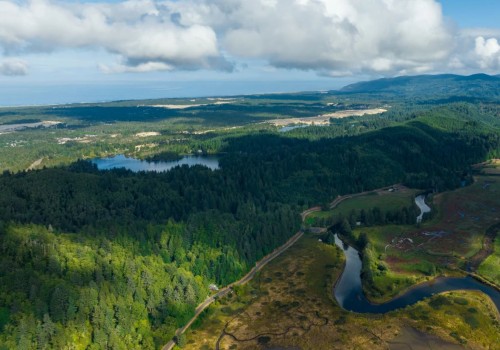
Central Oregon is a region renowned for its breathtaking landscapes, diverse ecosystems, and rich biodiversity. However, the beauty of this area is increasingly threatened by various environmental issues that jeopardize its natural heritage.
Nature preservation in Central Oregon
is not just a local concern; it reflects a broader commitment to safeguarding our planet's health and ensuring that future generations can enjoy the same stunning vistas and vibrant wildlife that we cherish today. The importance of preserving nature in this region cannot be overstated. Central Oregon is home to unique habitats, including high desert, forests, and rivers, each supporting a variety of plant and animal species.Yet, these ecosystems face significant challenges from human activities and climate change. Understanding the threats to nature in Central Oregon is crucial for developing effective strategies to combat them and promote sustainable practices. As we delve deeper into the specific threats facing this remarkable region, it becomes clear that awareness and action are essential. From habitat destruction due to urban development to the impacts of invasive species and climate variability, the challenges are multifaceted. By recognizing these issues, we can foster a collective responsibility towards nature preservation, ensuring that Central Oregon remains a sanctuary for wildlife and a source of inspiration for all who visit.
Overview of Central Oregon's Natural Environment
Central Oregon is renowned for its diverse ecosystems and rich biodiversity, making it a vital area for nature preservation efforts.The region encompasses a variety of landscapes, including high desert plateaus, lush forests, and pristine rivers, each supporting unique flora and fauna.One of the most significant ecosystems in Central Oregon is the Deschutes National Forest, which features ponderosa pine forests, alpine meadows, and volcanic landscapes. This forest is home to numerous species, including the Western Bluebird and the Black-backed Woodpecker, both of which rely on these habitats for survival.In addition to forests, Central Oregon boasts vital aquatic ecosystems. The Deschutes River and its tributaries provide essential habitats for fish species such as the Chinook Salmon and Steelhead Trout. These waterways not only support wildlife but also serve as critical resources for local communities.
- Biodiversity: Central Oregon is home to over 1,000 plant species and numerous animal species, contributing to its ecological richness.
- Natural Resources: The region's natural resources include timber, water, and minerals, all of which are essential for both ecological balance and human use.
- Ecosystem Services: Healthy ecosystems in Central Oregon provide services such as clean air and water, soil fertility, and climate regulation.
Protecting these areas from threats such as urban development, pollution, and climate change is essential for sustaining the region's ecological integrity.
Common Threats to Nature in Central Oregon
Central Oregon is a region of stunning natural beauty, but it faces several common threats to nature that jeopardize its ecosystems and biodiversity. Understanding these threats is crucial for effective nature preservation in Central Oregon.Habitat Loss
One of the most pressing issues is habitat loss, primarily driven by urban development, agriculture, and logging. As human populations grow, natural landscapes are converted into residential and commercial areas, fragmenting habitats and making it difficult for wildlife to thrive. This loss not only affects local flora and fauna but also disrupts ecological processes that are vital for maintaining healthy ecosystems.Climate Change
Climate change poses a significant threat to Central Oregon's environment.Rising temperatures and altered precipitation patterns can lead to droughts, affecting water availability for both plants and animals. Additionally, changing climate conditions can shift the distribution of species, leading to mismatches in predator-prey relationships and further stressing local ecosystems.
Invasive Species
The introduction of invasive species is another critical challenge. Non-native plants and animals can outcompete local species for resources, leading to declines in native biodiversity. For instance, species like cheatgrass have proliferated in Central Oregon, altering fire regimes and threatening native plant communities.Pollution
Pollution, whether from agricultural runoff, industrial discharges, or urban waste, contaminates soil and water resources.This not only harms aquatic life but also affects terrestrial ecosystems as pollutants accumulate in the food chain. Efforts to mitigate pollution are essential for protecting the health of both wildlife and human populations.Tackling these environmental threats requires a concerted effort from local communities, conservation organizations, and government agencies. By raising awareness and implementing sustainable practices, we can work towards preserving the unique natural heritage of Central Oregon for future generations.
Habitat Loss and Fragmentation
In Central Oregon, habitat loss and fragmentation are pressing issues that threaten the region's rich biodiversity. As urbanization accelerates, the natural landscapes that once provided essential habitats for wildlife are increasingly being replaced by residential and commercial developments.This transformation not only diminishes the available space for various species but also disrupts the ecological balance that has existed for centuries.The impact of land development is particularly evident in areas where forests, wetlands, and grasslands are cleared to make way for new infrastructure. These changes can lead to a significant reduction in the populations of native species, as they struggle to adapt to the altered environments. For instance, many birds and mammals rely on specific habitats for nesting and foraging; when these areas are fragmented or destroyed, their survival becomes jeopardized.
Urbanization effects
extend beyond just the physical loss of habitat. The introduction of roads and buildings can create barriers that isolate wildlife populations, making it difficult for them to migrate, find mates, or access food sources.This isolation can lead to inbreeding and a decline in genetic diversity, further threatening the resilience of these species.Moreover, as human populations grow, the demand for recreational spaces increases. While parks and trails can provide some benefits, they often encroach on sensitive habitats, leading to disturbances that can displace wildlife. The challenge lies in balancing development with nature preservation in Central Oregon, ensuring that both human needs and ecological integrity are maintained.To combat these issues, it is crucial for local governments and communities to implement sustainable land-use practices that prioritize conservation. Strategies such as creating wildlife corridors, preserving existing natural areas, and promoting responsible development can help mitigate the impacts of habitat loss and fragmentation.
Impact of Climate Change on Local Ecosystems
Climate change is increasingly becoming a significant threat to the delicate ecosystems of Central Oregon.As global temperatures rise, the region is experiencing noticeable temperature changes that disrupt local weather patterns. These shifts not only affect the climate but also have profound implications for the flora and fauna that call this area home.One of the most pressing issues is the impact of drought. Central Oregon has historically been characterized by its semi-arid climate, but prolonged periods of drought are becoming more frequent and severe. This lack of water availability stresses both terrestrial and aquatic ecosystems, leading to reduced plant growth and diminished habitats for wildlife.
Species that rely on specific moisture levels for survival are particularly vulnerable, which can lead to a decline in biodiversity.Moreover, changing precipitation patterns can result in more intense storms followed by dry spells, further complicating water management efforts. The effects of climate change on water resources are not just limited to quantity; they also affect water quality. Increased runoff during heavy rains can lead to higher levels of pollutants entering rivers and lakes, threatening aquatic life.In addition to these direct impacts, climate change also alters the timing of natural events such as flowering and migration. For instance, plants may bloom earlier in response to warmer temperatures, which can misalign with the life cycles of pollinators like bees.
This disruption can have cascading effects throughout the food web.To combat these challenges, it is essential for local communities and conservationists to prioritize nature preservation in Central Oregon. Implementing sustainable practices and enhancing resilience against climate impacts will be crucial in safeguarding the region's unique ecosystems for future generations.
Invasive Species Threatening Native Flora and Fauna
In Central Oregon, invasive species pose a significant threat to the delicate balance of local ecosystems. These non-native organisms can outcompete, displace, and even eradicate native flora and fauna, leading to a cascade of ecological consequences.One of the most notorious invasive species in the region is the cheatgrass (Bromus tectorum), which has spread rapidly across the landscape. This grass not only outcompetes native plants for resources but also alters fire regimes, making wildfires more frequent and intense.The increased fire frequency can devastate habitats that many native species rely on for survival.Another invasive threat is the yellow starthistle (Centaurea solstitialis), which can dominate pastures and rangelands, reducing biodiversity and impacting livestock grazing. Its spiny seed heads make it unpalatable to animals, further exacerbating its spread.The ecological impact of these invasives extends beyond just plant life. For instance, invasive fish species like the brook trout can disrupt local aquatic ecosystems by preying on or competing with native fish such as the Deschutes River redband trout. This competition can lead to declines in native populations, threatening their survival.To combat these challenges, efforts in native species protection are crucial.
Restoration projects often focus on removing invasive plants and reintroducing native species to restore ecological balance. Community involvement in monitoring and managing invasive populations is also essential for preserving Central Oregon's unique natural heritage.In summary, addressing the threat of invasive species is vital for maintaining the integrity of Central Oregon's ecosystems. By understanding their impact and actively participating in preservation efforts, we can help safeguard the region's rich biodiversity for future generations.
Pollution and Its Effects on Natural Resources
In Central Oregon, pollution poses a significant threat to the region's natural resources, impacting both air and water quality. Understanding these pollution sources is crucial for effective nature preservation.Water Quality Issues
- Agricultural Runoff: The use of fertilizers and pesticides in farming can lead to runoff that contaminates local waterways.
This runoff often contains harmful chemicals that disrupt aquatic ecosystems.
- Industrial Discharges: Factories and industrial sites may release pollutants into rivers and lakes, contributing to the degradation of water quality. Heavy metals and other toxic substances can accumulate in fish and other wildlife.
- Urban Development: Increased urbanization leads to more impervious surfaces, which can cause stormwater runoff that carries pollutants into natural water bodies.
Air Pollution Effects
- Wildfire Smoke: Central Oregon is prone to wildfires, which release large amounts of smoke and particulate matter into the air. This not only affects human health but also impacts local flora and fauna.
- Vehicle Emissions: As population density increases, so do vehicle emissions. These emissions contribute to poor air quality, which can harm respiratory health in both humans and wildlife.
- Industrial Air Pollution: Similar to water pollution, industries can emit harmful gases that degrade air quality.
This can lead to acid rain, which negatively affects soil and water bodies.
Community Efforts for Nature Preservation
In Central Oregon, community efforts for nature preservation are gaining momentum as local residents and organizations unite to combat environmental threats. These initiatives not only aim to protect the region's unique ecosystems but also foster a sense of stewardship among community members.Local Initiatives
- Community Clean-Up Days: Many towns organize regular clean-up events in parks, rivers, and natural areas.
These events encourage volunteer participation and raise awareness about littering and its impact on local wildlife.
- Native Plant Restoration: Organizations like the Deschutes Land Trust focus on restoring native plant species that are crucial for maintaining biodiversity. Volunteers often participate in planting days, helping to rejuvenate habitats that have been degraded.
- Educational Workshops: Local environmental groups frequently host workshops to educate residents about sustainable practices, such as water conservation and responsible land use. These sessions empower individuals to make informed decisions that benefit the environment.
Environmental Organizations
Several dedicated organizations play a pivotal role in promoting nature preservation in Central Oregon:
- The Nature Conservancy: This global organization has local chapters that work on conservation projects aimed at protecting critical habitats and species.
- Oregon Wild: Focused on protecting Oregon's wilderness areas, this organization advocates for policies that safeguard natural resources and promote sustainable land management practices.
- Central Oregon LandWatch: This group monitors land use and development in the region, ensuring that growth does not come at the expense of the environment.
How Individuals Can Contribute to Nature Preservation
Individuals play a crucial role in nature preservation in Central Oregon.By adopting sustainable practices and making conscious choices, everyone can contribute to the health of the environment. Here are some actionable tips:
- Reduce, Reuse, Recycle: Minimize waste by reducing consumption, reusing items, and recycling materials whenever possible. This helps decrease landfill waste and conserves natural resources.
- Support Local Agriculture: Purchase food from local farmers' markets or join a community-supported agriculture (CSA) program. This not only supports the local economy but also reduces the carbon footprint associated with transporting food.
- Conserve Water: Simple actions like fixing leaks, using water-efficient fixtures, and collecting rainwater can significantly reduce water usage.
Being mindful of water consumption helps preserve this vital resource.
- Choose Eco-Friendly Products: Opt for products made from sustainable materials and those that are biodegradable or recyclable. Avoid single-use plastics to lessen environmental impact.
- Participate in Local Clean-Up Events: Join community efforts to clean up parks, rivers, and other natural areas. These events not only beautify the environment but also foster a sense of community and responsibility.
- Educate Yourself and Others: Stay informed about local environmental issues and share knowledge with friends and family. Awareness is key to inspiring others to take action for nature preservation.
Every small action contributes to a larger movement towards sustainability and environmental health.
Conclusion: The Importance of Protecting Nature in Central Oregon
In conclusion, the preservation of nature in Central Oregon is not just a local concern; it is a vital necessity for the health of our planet. The region's unique ecosystems, from the high desert to lush forests, are under constant threat from various factors such as urban development, climate change, and invasive species. Each of these threats not only endangers local wildlife but also disrupts the delicate balance that sustains our natural resources.Throughout this article, we have explored the multifaceted challenges facing Central Oregon's environment. It is clear that without proactive measures, we risk losing the very landscapes that define our identity and provide us with recreational opportunities, clean air, and water.The importance of community engagement in conservation efforts cannot be overstated. Local initiatives, volunteer programs, and educational campaigns play a crucial role in raising awareness and fostering a culture of stewardship.Moreover, collaboration among government agencies, non-profit organizations, and residents is essential for effective nature preservation. By working together, we can implement sustainable practices that protect our natural heritage while accommodating growth and development. This collective action is not merely an option; it is an obligation we owe to future generations.As we move forward, let us remember that every small effort counts.
Whether it’s participating in local clean-up events, advocating for policy changes, or simply spreading awareness about the importance of nature preservation in Central Oregon, each action contributes to a larger movement. Together, we can ensure that the beauty and biodiversity of Central Oregon endure for years to come.