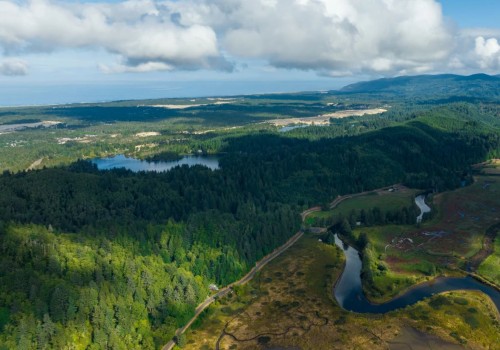
Central Oregon is a region renowned for its breathtaking landscapes, diverse ecosystems, and rich biodiversity. From the towering peaks of the Cascade Mountains to the serene waters of the Deschutes River, this area is a treasure trove of natural beauty that plays a crucial role in the ecological balance of the Pacific Northwest. However, as human activities continue to expand, the need for nature preservation in Central Oregon has never been more pressing. The delicate interplay between urban development and environmental conservation poses significant challenges that require immediate attention. Implementing sustainable practices is essential for safeguarding the unique habitats that define Central Oregon.
These practices not only help protect local wildlife but also ensure that future generations can enjoy the region's natural wonders. By focusing on responsible land use, promoting eco-friendly tourism, and engaging in community-driven conservation efforts, residents and visitors alike can contribute to a healthier environment. The importance of these initiatives cannot be overstated, as they serve to maintain the ecological integrity of this stunning region. As we delve deeper into the various sustainable practices that can be adopted, it becomes clear that every small action counts. Whether it's participating in local clean-up events, supporting conservation organizations, or simply being mindful of our environmental footprint, each effort contributes to a larger movement towards environmental conservation.
Together, we can ensure that Central Oregon remains a vibrant and thriving ecosystem for years to come.
Understanding the Importance of Sustainable Practices
Understanding the significance of sustainable practices is essential for the preservation of nature in Central Oregon. These practices not only help to protect the environment but also offer a multitude of economic and social benefits.Environmental Impact
- Sustainable practices reduce pollution and conserve natural resources, which is vital for maintaining the region's diverse ecosystems.
- By implementing methods such as organic farming and responsible forestry, we can minimize habitat destruction and promote biodiversity.
- Utilizing renewable energy sources, like solar and wind, decreases reliance on fossil fuels, thereby lowering greenhouse gas emissions.
Economic Benefits
- Investing in sustainable practices can lead to long-term cost savings for businesses and individuals alike. For instance, energy-efficient technologies reduce utility bills.
- Sustainable tourism, which focuses on preserving natural landscapes while providing economic opportunities, can attract visitors to Central Oregon, boosting local economies.
Social Advantages
- Communities that prioritize sustainability often experience improved public health due to cleaner air and water.
- Engaging in sustainable practices fosters a sense of community and responsibility among residents, encouraging them to work together towards common goals.
Community Involvement in Nature Preservation
Community involvement is crucial for nature preservation in Central Oregon.Local residents can play a significant role in protecting the region's unique ecosystems through various initiatives and volunteer opportunities.
Community Efforts
- Organized Clean-Up Events: Many local organizations host regular clean-up days in parks, rivers, and trails. These events not only beautify the area but also help remove harmful debris that can affect wildlife.
- Native Plant Restoration: Community members can participate in planting native species that support local wildlife and improve biodiversity. Programs often provide training on how to identify and care for these plants.
- Educational Workshops: Local environmental groups frequently offer workshops on sustainable practices, such as composting, water conservation, and wildlife protection. These sessions empower residents with knowledge to make eco-friendly choices.
Local Initiatives
- Partnerships with Schools: Schools in Central Oregon often collaborate with environmental organizations to create programs that engage students in nature preservation.
This fosters a sense of responsibility towards the environment from a young age.
- Community Gardens: Establishing community gardens not only promotes local food production but also encourages sustainable gardening practices. These gardens can serve as habitats for pollinators and other beneficial species.
- Wildlife Monitoring Programs: Residents can get involved in citizen science projects that track local wildlife populations. This data is invaluable for conservation efforts and helps raise awareness about the importance of protecting natural habitats.
Volunteer Opportunities
- Trail Maintenance: Many organizations seek volunteers to help maintain hiking and biking trails, ensuring they remain accessible while minimizing environmental impact.
- Invasive Species Removal: Volunteers can assist in identifying and removing invasive plant species that threaten local ecosystems, helping to restore balance to the natural environment.
- Nature Education Programs: Engaging with local schools or community centers to lead educational programs about the importance of nature preservation can inspire others to take action.
Sustainable Agriculture Practices
Implementing sustainable agriculture practices in Central Oregon is essential for preserving the region's unique ecosystems and promoting biodiversity. By adopting methods that prioritize environmental health, farmers can contribute significantly to nature preservation in Central Oregon.Organic Farming
One of the most effective ways to achieve sustainability is through organic farming.This practice avoids synthetic fertilizers and pesticides, which can harm local wildlife and degrade soil health. Instead, organic farmers utilize natural inputs such as compost, cover crops, and crop rotation to enhance soil fertility and structure. Additionally, organic farming promotes biodiversity by creating habitats for beneficial insects and wildlife.
Permaculture
Permaculture is another innovative approach that focuses on designing agricultural systems that mimic natural ecosystems. By integrating plants, animals, and natural resources in a harmonious way, permaculture not only increases productivity but also enhances resilience against pests and diseases.Techniques such as agroforestry, which combines trees with crops or livestock, can improve soil quality and reduce erosion while providing diverse habitats for local species.
Water Conservation Techniques
Water conservation is critical in Central Oregon's semi-arid climate. Implementing practices such as drip irrigation and rainwater harvesting can significantly reduce water usage while maintaining crop yields. These methods not only conserve precious water resources but also minimize runoff and erosion, further protecting the surrounding environment.Community Supported Agriculture (CSA)
Engaging the community through Community Supported Agriculture (CSA)By supporting local agriculture, consumers can help sustain the environment while enjoying fresh produce.In conclusion, adopting these sustainable agricultural practices in Central Oregon not only benefits farmers but also plays a crucial role in nature preservation. By prioritizing organic methods, permaculture principles, water conservation, and community engagement, we can create a more sustainable future for both agriculture and the environment.
Water Conservation Techniques
Water conservation is crucial for nature preservation in Central Oregon, especially given the region's susceptibility to drought. Implementing effective water conservation techniques can significantly reduce water waste and promote sustainable practices among residents and farmers alike.Efficient Irrigation Methods
One of the most impactful ways to conserve water is through the adoption of efficient irrigation methods. Traditional irrigation systems often lead to significant water loss due to evaporation and runoff.Instead, consider the following techniques:
- Drip Irrigation: This method delivers water directly to the roots of plants, minimizing evaporation and ensuring that every drop counts.
- Soaker Hoses: These porous hoses allow water to seep out slowly, providing a consistent moisture level without excessive runoff.
- Smart Irrigation Controllers: These devices adjust watering schedules based on weather conditions, soil moisture levels, and plant needs, optimizing water use.
Choosing Drought-Resistant Plants
Another effective strategy for conserving water is selecting drought-resistant plants. Native plants are often well-adapted to the local climate and require less water than non-native species. Here are some options:- Lavender: This aromatic herb thrives in dry conditions and adds beauty to gardens.
- Sagebrush: A native shrub that requires minimal water and provides habitat for local wildlife.
- Yarrow: Known for its resilience, yarrow can flourish with little irrigation once established.
Wildlife Protection Strategies
Protecting wildlife and their habitats is crucial for nature preservation in Central Oregon.The region is home to diverse ecosystems that support a variety of species, some of which are endangered. Implementing effective wildlife protection strategies can help maintain biodiversity and ensure the survival of these species.
1.Habitat Restoration
- Restoring degraded habitats is essential for wildlife conservation. This can involve replanting native vegetation, removing invasive species, and rehabilitating wetlands.
- Community involvement in habitat restoration projects can foster a sense of stewardship and raise awareness about local wildlife.
2.Wildlife Corridors
- Establishing wildlife corridors allows animals to migrate safely between habitats, reducing the risk of inbreeding and promoting genetic diversity.
- These corridors can be created by preserving existing natural pathways or by designing new routes that connect fragmented habitats.
3.Endangered Species Protection
- Identifying and protecting endangered species is vital. This includes monitoring populations, enforcing legal protections, and creating breeding programs.
- Public education campaigns can help raise awareness about the importance of these species and encourage community support for conservation efforts.
4.Sustainable Land Use Practices
- Implementing sustainable land use practices, such as responsible forestry and agriculture, can minimize habitat destruction while still allowing for economic development.
- Encouraging local farmers and landowners to adopt conservation-friendly practices can significantly benefit wildlife.
5.Community Engagement
- Engaging local communities in wildlife protection initiatives fosters a culture of conservation.
Volunteer programs, educational workshops, and citizen science projects can empower residents to take action.
- Collaboration with local organizations and government agencies can amplify efforts to protect wildlife and their habitats.
Sustainable Tourism Practices
In Central Oregon, sustainable tourism practices are essential for balancing the needs of visitors with the preservation of the region's stunning natural landscapes. By adopting eco-friendly tourism strategies, travelers and businesses can contribute to the conservation of local ecosystems while enjoying the beauty of the area.Responsible travel
begins with awareness. Tourists should educate themselves about the environmental impact of their activities and choose options that minimize harm. This includes selecting accommodations that prioritize sustainability, such as those that use renewable energy sources, implement water conservation measures, and support local communities.One effective way to promote nature-based tourism is through guided eco-tours.These tours not only provide visitors with a deeper understanding of Central Oregon's unique flora and fauna but also ensure that they are engaging with the environment in a respectful manner. Local guides can share insights on how to interact with wildlife responsibly and highlight the importance of preserving natural habitats.
- Leave No Trace Principles: Tourists should adhere to these principles by packing out what they pack in, staying on designated trails, and respecting wildlife.
- Support Local Businesses: Choosing to eat at local restaurants or shop at community markets helps reduce carbon footprints and supports the local economy.
- Participate in Conservation Efforts: Many organizations offer volunteer opportunities for visitors to engage in conservation projects, such as tree planting or habitat restoration.
FAQs about Nature Preservation in Central Oregon
As the importance of nature preservation in Central Oregon continues to grow, many individuals and organizations have questions about how they can contribute to sustainable practices. Here are some frequently asked questions that can help clarify common concerns:- What are some effective ways to reduce my carbon footprint in Central Oregon?
Reducing your carbon footprint can be achieved through various methods, such as using public transportation, carpooling, biking, or walking instead of driving.Additionally, consider supporting local businesses and farmers to minimize transportation emissions associated with goods.
- How can I participate in local conservation efforts?
Many organizations in Central Oregon focus on conservation and sustainability. You can volunteer with groups like the Deschutes Land Trust or participate in community clean-up events. These activities not only help preserve the environment but also foster a sense of community. - What role does water conservation play in nature preservation?
Water conservation is crucial in Central Oregon due to its semi-arid climate. Implementing practices such as xeriscaping, using drought-resistant plants, and fixing leaks can significantly reduce water usage and help maintain local ecosystems. - Are there any sustainable farming practices I should be aware of?
Sustainable farming practices include crop rotation, organic farming, and permaculture.These methods enhance soil health, reduce chemical runoff, and promote biodiversity, all of which are vital for nature preservation in Central Oregon.
Conclusion: The Path Forward for Nature Preservation in Central Oregon
As we reflect on the various sustainable practices that can be implemented to ensure nature preservation in Central Oregon, it becomes clear that the responsibility lies not just with policymakers or organizations, but with each individual and community member. The health of our natural landscapes, wildlife, and ecosystems is intertwined with our daily choices and actions.Throughout this article, we have explored several key strategies, including:- Community Engagement: Involving local communities in conservation efforts fosters a sense of ownership and responsibility towards the environment.
- Sustainable Land Use: Implementing zoning laws that prioritize green spaces and protect natural habitats is crucial for maintaining biodiversity.
- Water Conservation: Utilizing water-saving techniques in agriculture and landscaping helps preserve vital water resources.
- Education and Awareness: Promoting environmental education in schools and community programs raises awareness about the importance of preserving our natural surroundings.
- Support for Local Initiatives: Engaging with local conservation groups and supporting their initiatives can amplify efforts to protect Central Oregon's unique ecosystems.
Let us commit to being stewards of our land, ensuring that future generations can enjoy the beauty and diversity that Central Oregon has to offer.