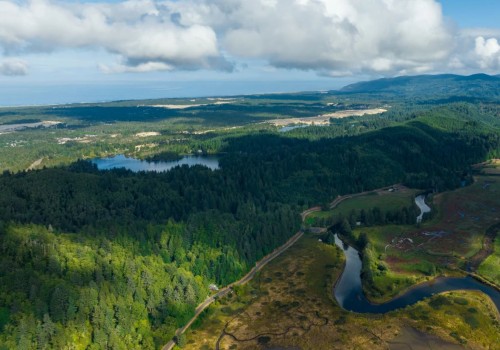
Central Oregon is a region renowned for its breathtaking landscapes and diverse ecosystems, making nature preservation in Central Oregon a critical endeavor. The area is home to unique habitats ranging from high desert plateaus to lush river valleys, each supporting a variety of flora and fauna. These ecosystems not only provide essential services such as clean air and water but also offer recreational opportunities and contribute to the local economy through tourism and outdoor activities. The importance of nature preservation cannot be overstated, especially in a time when human activities and climate change pose significant threats to these delicate environments. Preserving natural habitats helps maintain biodiversity, which is vital for ecosystem resilience.
In Central Oregon, efforts to protect these areas are often challenged by various factors, including urban development, invasive species, and, notably, natural disasters.Natural disasters such as floods and droughts can have profound impacts on the region's ecosystems, disrupting the delicate balance that nature preservation efforts strive to maintain. For instance, flooding can lead to soil erosion and habitat destruction, while prolonged droughts can stress water resources and threaten plant and animal life. Understanding how these events affect In Central Oregon, efforts to protect these areas are often challenged by various factors, including urban development, invasive species, and, notably, natural disasters. Natural disasters such as floods and droughts can have profound impacts on the region's ecosystems, disrupting the delicate balance that nature preservation efforts strive to maintain. For instance, flooding can lead to soil erosion and habitat destruction, while prolonged droughts can stress water resources and threaten plant and animal life. Understanding how these events affect nature preservation in Central Oregon is crucial for developing effective strategies to mitigate their impacts and ensure the longevity of the region's natural heritage.
Overview of Natural Disasters in Central Oregon
Central Oregon is no stranger to natural disasters, with both floods and droughts significantly shaping the region's landscape and ecosystems. Understanding these events is essential for evaluating their effects on nature preservation efforts.Floods in Central Oregon
- Flooding typically occurs during the spring when snowmelt from the Cascade Mountains combines with heavy rainfall.
- These floods can lead to soil erosion, habitat destruction, and the displacement of wildlife, which complicates nature preservation in Central Oregon.
- In addition, floodwaters can introduce pollutants into local waterways, further threatening aquatic ecosystems.
Droughts in Central Oregon
- Drought conditions are increasingly common due to climate change, leading to water shortages that affect both human and wildlife populations.
- Extended periods of drought can result in reduced vegetation cover, making it difficult for native species to thrive and increasing the risk of wildfires.
- The impact on water resources also poses challenges for conservation programs aimed at protecting vulnerable habitats.
As these disasters become more frequent and severe, understanding their implications is crucial for developing effective strategies to protect Central Oregon's unique ecosystems.
Effects of Floods on Nature Preservation Efforts
Floods can have a profound impact on nature preservation in Central Oregon, disrupting ecosystems and damaging habitats that are crucial for local wildlife. When heavy rains lead to flooding, the immediate effects can be devastating. Aquatic habitats may become overwhelmed, leading to a loss of biodiversity as species struggle to adapt to rapidly changing conditions. One of the most significant consequences of flooding is soil erosion. As water levels rise, the force of the water can wash away topsoil, which is essential for plant growth.This erosion not only affects the vegetation but also disrupts the entire food chain, as many animals rely on these plants for sustenance. The loss of vegetation can lead to increased sedimentation in rivers and streams, further harming aquatic life. In addition to physical damage, floods pose challenges for recovery efforts. Restoration projects often require extensive planning and resources, which can be difficult to mobilize in the aftermath of a disaster. Conservation organizations may find themselves stretched thin, needing to allocate funds and manpower to immediate recovery rather than long-term preservation goals.
This shift in focus can hinder ongoing projects aimed at protecting vulnerable species and habitats. To mitigate these impacts, it is essential for conservationists and local governments to develop adaptive strategies. These strategies may include creating flood-resistant habitats, restoring natural floodplains, and implementing better land-use planning to reduce the risk of future flooding. By prioritizing resilience in nature preservation efforts, Central Oregon can better protect its unique ecosystems from the adverse effects of floods.
Effects of Droughts on Nature Preservation Efforts
Droughts pose significant challenges to nature preservation in Central Oregon, primarily through the exacerbation of water scarcity. As water sources dwindle, ecosystems that rely on consistent moisture face severe stress.This scarcity can lead to reduced plant growth, which in turn affects the entire food web, including herbivores and their predators.
Drought impact on nature preservation
is particularly evident in the region's diverse habitats, such as wetlands and forests. These ecosystems are crucial for maintaining biodiversity, but prolonged dry spells can lead to habitat degradation. For instance, wetlands may shrink or dry up entirely, disrupting the life cycles of numerous species that depend on these environments for breeding and feeding.Moreover, drought conditions can increase competition among species for limited resources. Native plants may struggle to survive against invasive species that are more resilient to dry conditions.This shift can lead to a decline in native biodiversity, further complicating drought recovery strategies aimed at restoring ecological balance.To mitigate these effects, conservationists are implementing various drought recovery strategies. These include:
- Water conservation initiatives: Encouraging sustainable water use practices among local communities.
- Restoration projects: Rehabilitating degraded habitats to improve their resilience against future droughts.
- Research and monitoring: Conducting studies to understand the long-term impacts of drought on local ecosystems and developing adaptive management plans.
Case Studies: Nature Preservation Challenges Post-Disaster
Natural disasters can significantly disrupt nature preservation efforts in Central Oregon, as evidenced by several case studies that highlight the challenges and recovery processes following such events.Case Study 1: The 2015 Wildfires
In 2015, a series of wildfires swept through parts of Central Oregon, devastating large areas of forest and wildlife habitats. The post-disaster recovery efforts faced numerous obstacles, including soil erosion and the loss of native plant species.Restoration projects aimed at replanting native vegetation were initiated, but the initial focus on immediate recovery often sidelined long-term ecological considerations.
Case Study 2: The 2020 Floods
The floods in 2020 presented another challenge for nature preservation in Central Oregon. Many rivers overflowed, leading to significant habitat destruction for aquatic species. Conservation groups worked tirelessly to restore riverbanks and improve water quality, but the scale of the damage required extensive collaboration with local governments and stakeholders. Successful recovery efforts included:- Community Engagement: Involving local communities in restoration projects helped raise awareness and foster a sense of ownership over natural resources.
- Innovative Techniques: Utilizing bioengineering methods to stabilize riverbanks proved effective in preventing future erosion.
- Monitoring Programs: Establishing long-term monitoring programs ensured that recovery efforts were on track and adapted to changing environmental conditions.
Case Study 3: Drought Impact on Wildlife
Drought conditions have also posed significant challenges for nature preservation.In recent years, prolonged dry spells have led to reduced water levels in lakes and rivers, impacting fish populations and other wildlife. Conservationists have responded by:
- Creating Water Reserves: Developing artificial ponds and water reserves to support wildlife during critical dry periods.
- Habitat Restoration: Focusing on restoring wetlands that can provide essential habitats for various species.
- Education Initiatives: Launching educational campaigns to inform the public about the importance of water conservation for ecosystem health.
Strategies for Enhancing Nature Preservation Amidst Natural Disasters
In the face of increasing natural disasters, such as floods and droughts, nature preservation in Central Oregon requires innovative strategies that enhance resilience and adaptability. Implementing effective adaptive management practices is crucial for maintaining the integrity of ecosystems while responding to the challenges posed by these events.1.Community Involvement and Education
- Engaging local communities in conservation efforts fosters a sense of ownership and responsibility towards natural resources. Educational programs can raise awareness about the impacts of natural disasters on local ecosystems and promote sustainable practices.
- Volunteer initiatives can mobilize community members to participate in restoration projects, such as replanting native vegetation after a flood or managing water resources during a drought.
2.Ecosystem Monitoring and Data Collection
- Regular monitoring of ecosystems allows for the early detection of changes due to natural disasters.
This data can inform adaptive management strategies, ensuring that preservation efforts are responsive to current conditions.
- Utilizing technology, such as remote sensing and GIS mapping, can enhance data collection efforts, providing valuable insights into ecosystem health and resilience.
3.Restoration of Natural Buffers
- Restoring wetlands, riparian zones, and other natural buffers can mitigate the effects of flooding and improve water retention during droughts. These areas act as critical habitats for wildlife while also serving as protective barriers against extreme weather events.
- Implementing green infrastructure solutions, such as rain gardens and permeable pavements, can help manage stormwater runoff effectively, reducing the risk of flooding.
4.Policy Advocacy and Collaboration
- Advocating for policies that prioritize nature preservation in Central Oregon is essential. Collaboration between government agencies, non-profits, and local stakeholders can lead to more comprehensive disaster preparedness plans that incorporate ecological considerations.
- Establishing partnerships with research institutions can facilitate the development of best practices for managing ecosystems under stress from natural disasters.
FAQs about Nature Preservation and Natural Disasters in Central Oregon
Understanding the relationship between nature preservation in Central Oregon and natural disasters is crucial for effective environmental management. Here are some frequently asked questions that shed light on this topic:- How do floods affect nature preservation efforts?
Floods can lead to significant habitat destruction, altering ecosystems and displacing wildlife.However, they can also rejuvenate certain habitats by depositing nutrients and creating new wetlands, which can be beneficial for biodiversity.
- What impact do droughts have on local flora and fauna?
Droughts can severely stress plant life, leading to reduced growth and increased mortality rates. This, in turn, affects the animals that depend on these plants for food and shelter. Conservation efforts must adapt to these changes to ensure the survival of vulnerable species. - Can nature preservation efforts mitigate the effects of natural disasters?
Yes, effective nature preservation can enhance ecosystem resilience. Healthy ecosystems are better equipped to withstand and recover from disasters.For example, preserving wetlands can help absorb floodwaters, while maintaining forests can reduce soil erosion during heavy rains.
- What strategies are being implemented in Central Oregon to protect nature during disasters?
Local organizations are focusing on restoration projects that enhance biodiversity and ecosystem health. These include reforestation initiatives, wetland restoration, and community education programs aimed at promoting sustainable practices. - How can individuals contribute to nature preservation during natural disasters?
Individuals can participate in local conservation efforts, volunteer for restoration projects, and advocate for policies that prioritize environmental protection. Simple actions like reducing water usage during droughts or reporting pollution can also make a difference.
Conclusion: The Future of Nature Preservation in Central Oregon
As we reflect on the challenges posed by natural disasters such as floods and droughts, it becomes clear that the future of nature preservation in Central Oregon hinges on our ability to adapt and implement effective resilience planning.The impacts of these disasters are profound, affecting not only the immediate environment but also the long-term viability of conservation efforts.Throughout this discussion, we have highlighted several key points:
- Natural disasters disrupt ecosystems: Floods can lead to soil erosion and habitat destruction, while droughts can diminish water resources essential for plant and animal life.
- Increased vulnerability: As climate change intensifies, the frequency and severity of these disasters are likely to increase, making it imperative for preservation strategies to evolve.
- Community engagement: Local communities play a crucial role in nature preservation. Their involvement in resilience planning can enhance the effectiveness of conservation initiatives.
- Implementing sustainable land-use practices that minimize environmental impact.
- Restoring natural habitats to bolster biodiversity and ecosystem services.
- Investing in community education programs that raise awareness about the importance of nature preservation.
By prioritizing resilience planning and fostering community involvement, we can create a robust framework that not only protects our natural resources but also enhances the region's ecological integrity for generations to come.