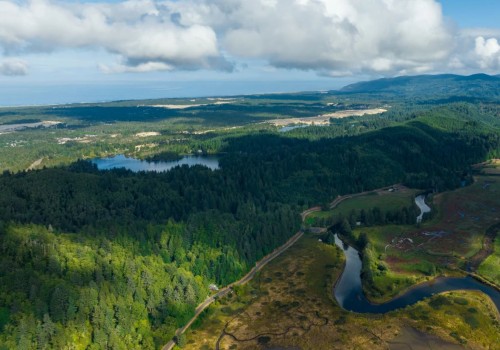
Central Oregon is a region defined by its striking Central Oregon is a region defined by its striking geography, which plays a pivotal role in shaping its unique natural environment. Nestled between the Cascade Mountains to the west and the high desert to the east, this area boasts a diverse landscape that includes volcanic formations, lush forests, and expansive plateaus. The interplay of these geographical features creates a rich tapestry of ecosystems, each supporting a variety of flora and fauna that thrive in this distinctive setting. The region's varied elevation and climate contribute significantly to its ecological diversity. From the snow-capped peaks of the Cascades, where alpine meadows bloom with wildflowers in the summer, to the arid expanses of the high desert, Central Oregon is a microcosm of natural beauty.
This geographical contrast not only enhances the aesthetic appeal of the area but also fosters a range of habitats that are crucial for wildlife conservation and nature preservation in Central Oregon.As we delve deeper into the significance of Central Oregon's geography, it becomes clear that understanding these natural landscapes is essential for effective nature preservation efforts. The unique environmental conditions present in this region necessitate tailored conservation strategies that respect and protect its diverse ecosystems. By appreciating how geography influences natural habitats, we can better advocate for sustainable practices that ensure the longevity of Central Oregon's breathtaking landscapes.
Geographical Features of Central Oregon
Central Oregon is characterized by a diverse array of geographical features that play a crucial role in shaping its unique natural environment. The region is defined by its stunning mountains, expansive high desert, and winding rivers, each contributing to the area's rich biodiversity and ecological significance.Mountains
The Cascade Range runs through Central Oregon, featuring prominent peaks such as Mount Bachelor and the Three Sisters.These mountains not only provide breathtaking vistas but also create microclimates that support various ecosystems. The elevation changes lead to distinct habitats, from alpine meadows to dense forests, fostering a wide range of flora and fauna. The snowmelt from these mountains feeds into local rivers, ensuring a steady water supply that is vital for both wildlife and human communities.
Rivers
The region is crisscrossed by several significant rivers, including the Deschutes River, which is renowned for its recreational opportunities and ecological importance. These rivers serve as critical corridors for wildlife, allowing species to migrate and thrive.They also support diverse aquatic ecosystems, which are essential for maintaining the overall health of the environment.
High Desert
The high desert landscape of Central Oregon is another defining feature, characterized by arid conditions and unique geological formations. This environment is home to specialized plant species such as sagebrush and juniper, which have adapted to survive in low-water conditions. The high desert also supports a variety of wildlife, including pronghorn antelope and various bird species, making it an area of significant ecological interest.In summary, the interplay between the mountains, rivers, and high desert in Central Oregon creates a mosaic of ecosystems that are vital for nature preservation in Central Oregon. Understanding these geographical features is essential for conservation efforts aimed at protecting the region's unique biodiversity.Climate and Its Impact on Biodiversity
The climate of Central Oregon is characterized by its high desert environment, which plays a crucial role in shaping the region's unique biodiversity.With an average elevation of over 3,000 feet, the area experiences significant temperature variations between day and night, as well as distinct seasonal changes. These climatic conditions create a diverse range of habitats that support various plant and animal species.During the spring , warmer temperatures and increased precipitation lead to a burst of life. Wildflowers bloom across the landscape, attracting pollinators such as bees and butterflies. This seasonal change not only enhances the visual beauty of Central Oregon but also supports the local ecosystem by providing food sources for herbivores and their predators.As summer approaches, the region experiences hotter temperatures and drier conditions.
Many plants have adapted to these changes by developing deep root systems or drought-resistant features. For instance, species like the sagebrush thrive in these conditions, providing essential habitat for various wildlife, including birds and small mammals.The autumn months bring cooler temperatures and a gradual transition as many species prepare for winter. Deciduous trees shed their leaves, creating a rich layer of organic material that nourishes the soil. This process is vital for maintaining soil health and supporting new growth in the following spring.Finally, winter in Central Oregon can be harsh, with snow covering the ground and temperatures dropping significantly.
However, this season is equally important for biodiversity. Many animals enter a state of hibernation, while others adapt by changing their behavior or diet to survive the cold months. The snowpack also plays a critical role in replenishing water sources as it melts in spring, ensuring that ecosystems remain vibrant.Understanding how these seasonal changes impact local flora and fauna is essential for effective nature preservation in Central Oregon. Conservation efforts must consider these climatic factors to protect habitats and maintain biodiversity.
By fostering awareness of the intricate relationships between climate and biodiversity, we can better appreciate and safeguard this unique natural environment.
Ecosystems Unique to Central Oregon
Central Oregon is a region characterized by its diverse ecosystems, each contributing to the area's rich biodiversity and unique natural environment. From lush forests to arid deserts, these ecosystems support a variety of species that are not only fascinating but also crucial for nature preservation in Central Oregon.Forests
- The Deschutes National Forest is a prime example, featuring ponderosa pine, lodgepole pine, and mixed conifer forests. These forests provide habitat for species such as the Northern Spotted Owl and the American Marten.
- These forested areas play a vital role in carbon sequestration, helping to mitigate climate change while also offering recreational opportunities for hiking, camping, and wildlife viewing.
Wetlands
- The wetlands of Central Oregon, including the Klamath Basin, are essential for migratory birds. They serve as critical stopover points along the Pacific Flyway, supporting species like the American Avocet and the Western Sandpiper.
- These ecosystems also filter water and provide flood control, making them indispensable for both wildlife and human communities.
Desert Areas
- The high desert regions, such as the Ochocho National Forest, host unique flora and fauna adapted to arid conditions.
Species like the Sage Grouse and various endemic plants thrive here.
- This ecosystem is particularly sensitive to climate change and human activity, highlighting the need for effective conservation strategies.
Human Impact on Central Oregon's Natural Environment
The natural environment of Central Oregon is under significant pressure from various human activities, which have led to both development effects and conservation challenges. As the region experiences population growth and increased tourism, the delicate balance of its ecosystems is at risk.One of the most pressing issues is urban development.As cities like Bend and Redmond expand, natural habitats are being replaced with residential and commercial properties. This not only disrupts local wildlife but also contributes to habitat fragmentation, making it difficult for species to thrive. The construction of roads and infrastructure further exacerbates these challenges by creating barriers that prevent animal movement and migration.Additionally, agricultural practices in the region have altered the landscape significantly. While farming is essential for the local economy, it often leads to soil degradation and water resource depletion.
The use of pesticides and fertilizers can contaminate nearby water bodies, affecting aquatic ecosystems and diminishing biodiversity.Another critical aspect of human impact is the increasing demand for recreational activities. Central Oregon's stunning landscapes attract outdoor enthusiasts, leading to overuse of popular areas such as Smith Rock State Park and the Deschutes River. This surge in visitors can result in soil erosion, littering, and disturbances to wildlife, which are detrimental to nature preservation efforts.To combat these issues, conservation organizations are working tirelessly to implement sustainable practices. Initiatives aimed at restoring habitats, promoting responsible tourism, and educating the public about the importance of preserving Central Oregon's unique ecosystems are crucial.
However, these efforts face ongoing challenges due to limited funding and competing interests from developers.In conclusion, while human activities have undeniably impacted Central Oregon's natural environment, there is still hope for preservation through concerted efforts in conservation and sustainable development. Balancing growth with ecological integrity will be essential for maintaining the region's rich biodiversity for future generations.
Conservation Efforts in Central Oregon
Central Oregon is home to a variety of conservation efforts aimed at protecting its unique landscapes and ecosystems. These initiatives are crucial for maintaining the region's biodiversity and ensuring that future generations can enjoy its natural beauty.One of the most significant nature preservation initiatives in Central Oregon is the Deschutes National Forest, which encompasses over 1.6 million acres of diverse habitats. The forest service actively engages in restoration projects that focus on reforestation, invasive species management, and habitat improvement for wildlife.These projects not only enhance the ecological health of the area but also provide recreational opportunities for residents and visitors alike.Community involvement plays a vital role in these conservation efforts. Local organizations, such as the Deschutes Land Trust, work tirelessly to protect critical habitats through land acquisition and stewardship programs. They often host volunteer events where community members can participate in activities like tree planting, trail maintenance, and educational workshops. This hands-on approach fosters a sense of ownership and responsibility among residents, encouraging them to advocate for sustainable practices.Additionally, government policies at both state and local levels support nature preservation.
Initiatives like the Oregon Conservation Strategy outline specific goals for protecting wildlife habitats and promoting sustainable land use. These policies are designed to balance development with environmental stewardship, ensuring that Central Oregon's natural resources are preserved for future generations.In conclusion, the combination of dedicated organizations, community engagement, and supportive government policies creates a robust framework for conservation in Central Oregon. By prioritizing these efforts, the region can continue to thrive as a sanctuary for both its inhabitants and its diverse ecosystems.
FAQs about Nature Preservation in Central Oregon
Central Oregon is renowned for its stunning landscapes and diverse ecosystems, leading to numerous questions about nature preservation in the region. Here are some frequently asked questions that shed light on this important topic:- What are the main conservation efforts in Central Oregon?
Various organizations, including the Deschutes Land Trust and local government agencies, are actively involved in conservation efforts.These initiatives focus on protecting critical habitats, restoring native vegetation, and promoting sustainable land use practices.
- How can I get involved in nature preservation?
Community members can participate in volunteer programs, attend local conservation meetings, or support organizations dedicated to preserving Central Oregon's natural beauty. Engaging in outdoor activities responsibly also contributes to conservation efforts. - What are the threats to natural environments in Central Oregon?
Key threats include urban development, invasive species, and climate change. These factors can disrupt local ecosystems and threaten wildlife habitats, making preservation efforts even more critical. - Are there any protected areas in Central Oregon?
Yes, Central Oregon is home to several protected areas, including the Deschutes National Forest, Smith Rock State Park, and various wildlife refuges. These areas are crucial for maintaining biodiversity and providing recreational opportunities. - How does local policy impact nature preservation?
Local policies play a significant role in conservation by regulating land use, protecting water resources, and promoting sustainable practices.Advocacy for stronger environmental policies can enhance preservation efforts.
Conclusion: The Importance of Geography in Nature Preservation
In conclusion, the geography of Central Oregon plays a pivotal role in shaping its unique natural environment and the ongoing efforts for nature preservation in Central Oregon. The region's diverse landscapes, ranging from high desert plateaus to lush river valleys and volcanic formations, create a rich tapestry of ecosystems that support a wide variety of flora and fauna. This geographical diversity not only enhances the area's aesthetic appeal but also contributes significantly to its ecological health.Throughout this article, we have explored how the distinct topographical features of Central Oregon influence local climate patterns, water availability, and soil types, all of which are crucial for sustaining wildlife habitats and plant communities. The interplay between these elements fosters a unique biodiversity that is both fragile and vital.Moreover, the challenges posed by urban development, climate change, and invasive species underscore the importance of proactive conservation strategies.By understanding the geographical context of these issues, stakeholders can implement more effective measures to protect and preserve the natural resources that define Central Oregon.
- Support Local Conservation Efforts: Engaging with local organizations dedicated to preserving natural habitats can make a significant impact.
- Advocate for Sustainable Practices: Promoting sustainable land use and responsible tourism helps mitigate environmental degradation.
- Educate Others: Raising awareness about the importance of geography in nature preservation can inspire collective action.